How Agentic AI Tools Are Quietly Redefining Knowledge Work in 2026
From Chatbots to Collaborative AI Agents
Over the past year, artificial intelligence has steadily moved beyond simple chat interfaces. The most recent wave of innovation focuses on agentic AI tools—systems designed to actively collaborate with humans rather than merely respond to prompts. Unlike traditional chatbots, these agents operate across applications, manage workflows, and make context-aware decisions in real time.
This shift reflects a broader change in how knowledge work is structured. Instead of asking AI for answers, professionals increasingly rely on AI agents to execute multi-step tasks such as research aggregation, code refactoring, document drafting, and workflow automation.
Why Productivity Software Is Becoming the New AI Battleground
Recent launches from leading AI labs highlight a growing emphasis on desktop-level productivity. These tools are not replacing existing software suites; instead, they sit on top of them, acting as orchestration layers that connect emails, code editors, browsers, and internal documentation.
For businesses, this matters because productivity gains no longer come from adding more tools, but from reducing friction between them. Agentic AI excels at this integration layer, quietly removing repetitive actions that previously consumed hours of human attention.
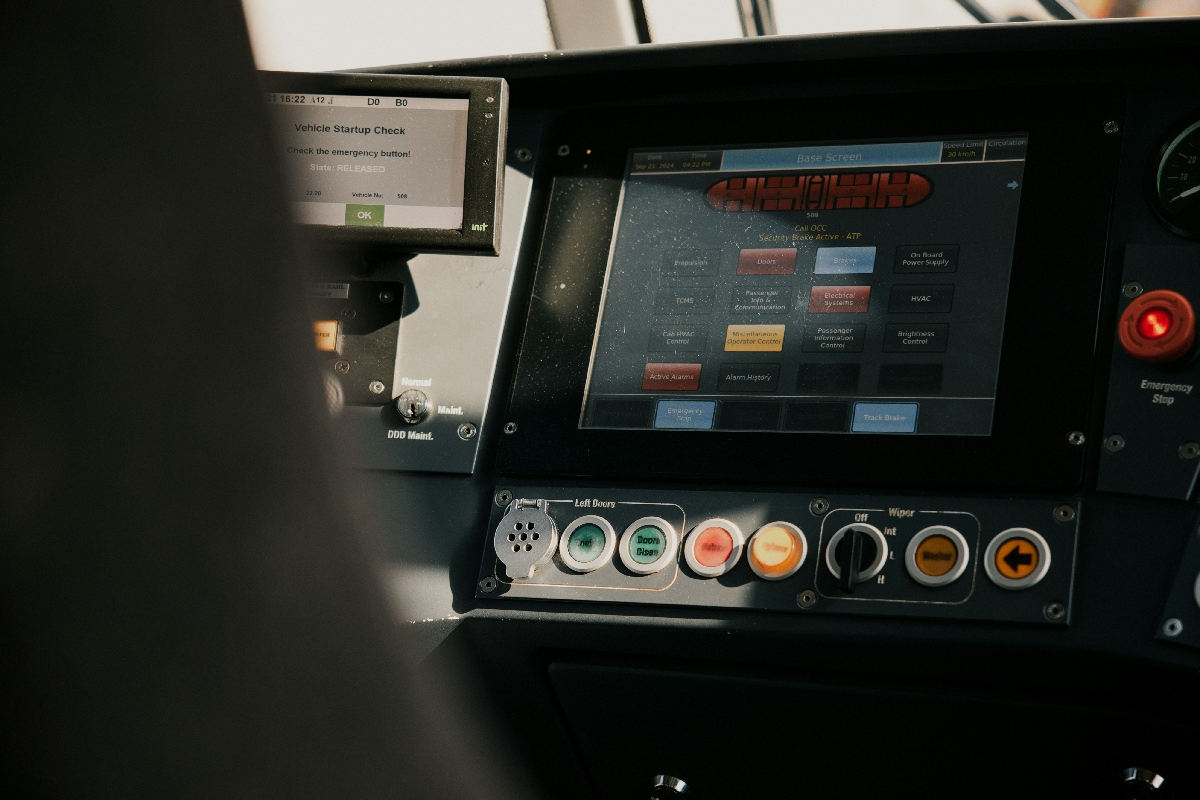
The Enterprise Implications of Agentic AI
From an enterprise perspective, agentic AI introduces both efficiency and governance challenges. On one hand, teams can move faster with fewer handoffs. On the other, organizations must rethink access control, auditability, and accountability when AI agents act semi-autonomously.
Forward-looking companies are already experimenting with “human-in-the-loop” models, where AI agents prepare outputs while final decisions remain human-approved. This hybrid approach balances speed with compliance, making it more viable for regulated industries.
H2: A Cultural Shift, Not Just a Technical One
Perhaps the most underestimated aspect of agentic AI is its cultural impact. As AI tools become collaborators, employees must learn how to delegate effectively—not to people, but to software agents. This requires new mental models around trust, verification, and oversight.
Over time, the most valuable skill may not be technical expertise alone, but the ability to supervise intelligent systems. In that sense, agentic AI is reshaping not just workflows, but professional identities.

What Comes Next
Looking ahead, expect agentic AI tools to become more specialized. Rather than one general assistant, users will deploy small, task-specific agents tailored to roles such as product management, marketing analysis, or software testing.
The transition will be gradual, but its impact is structural. Knowledge work in 2026 is no longer defined by what individuals do manually, but by how effectively they collaborate with intelligent systems.